
Caroline Park House
One of Edinburgh’s most historic private homes
Edinburgh EH5 1QJ
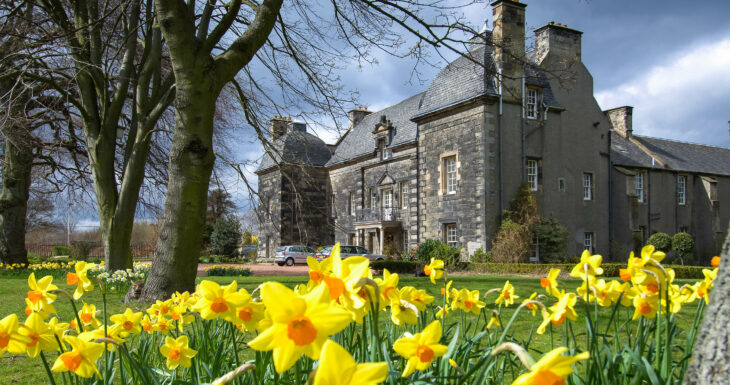
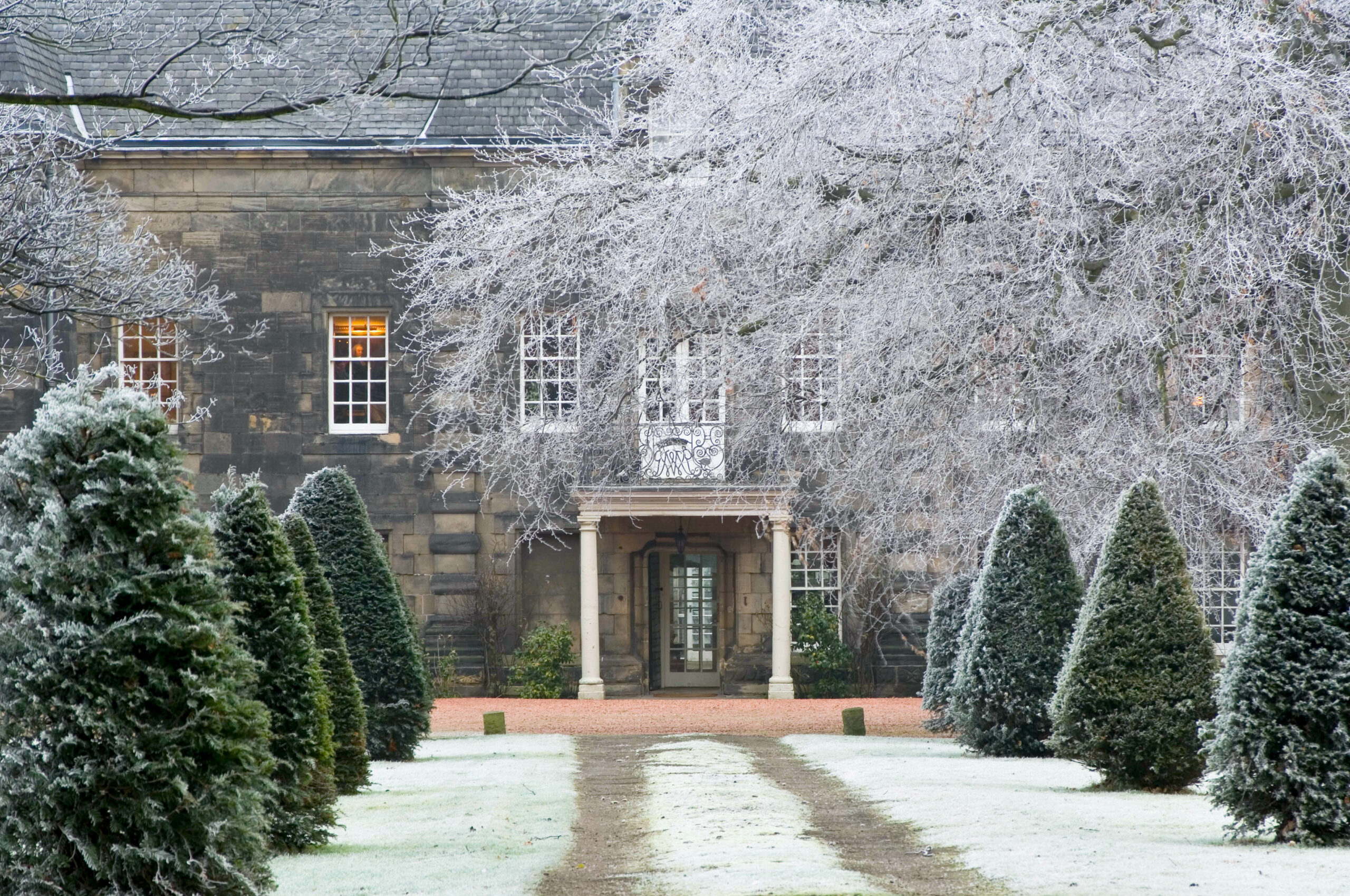
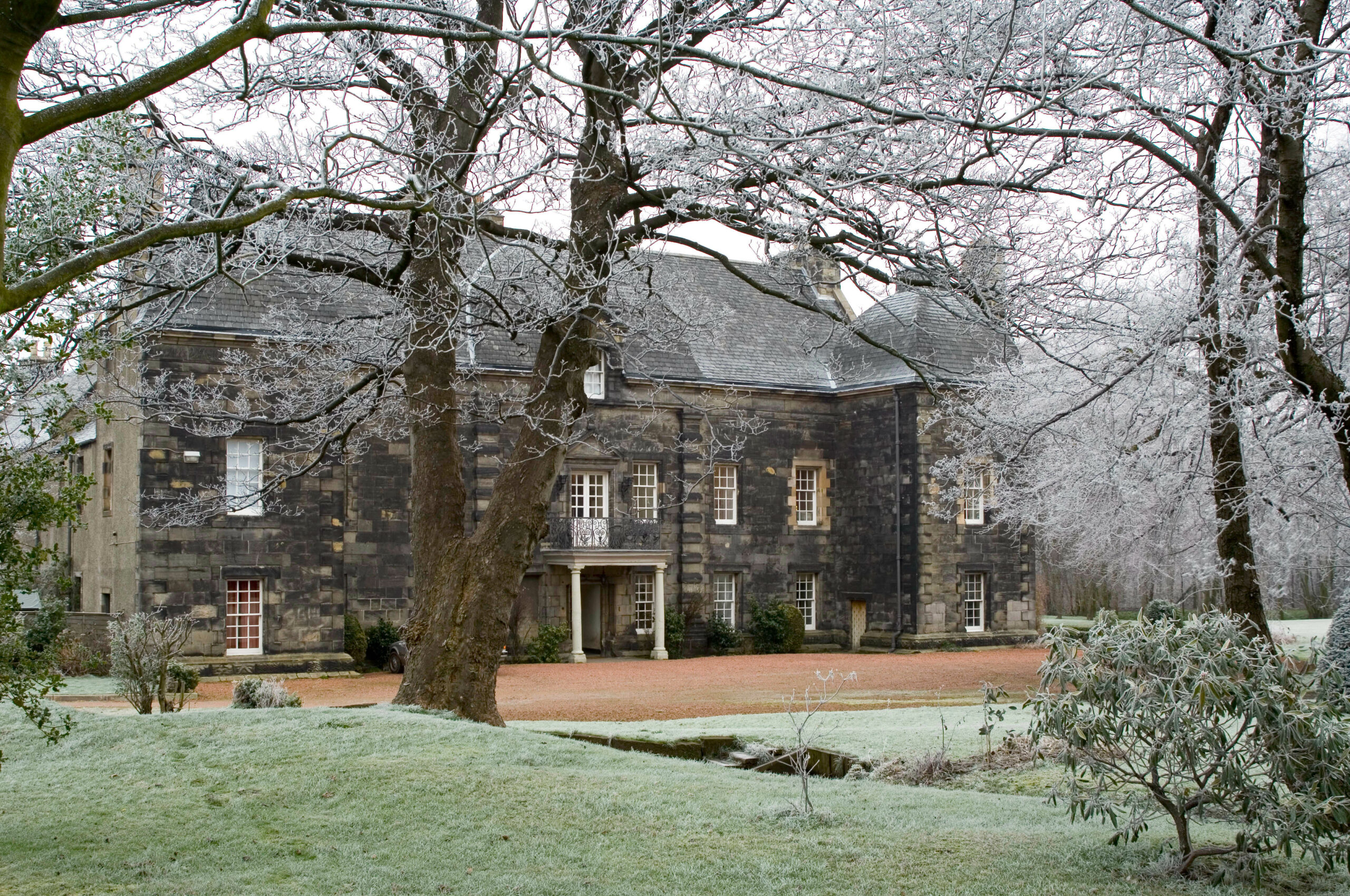
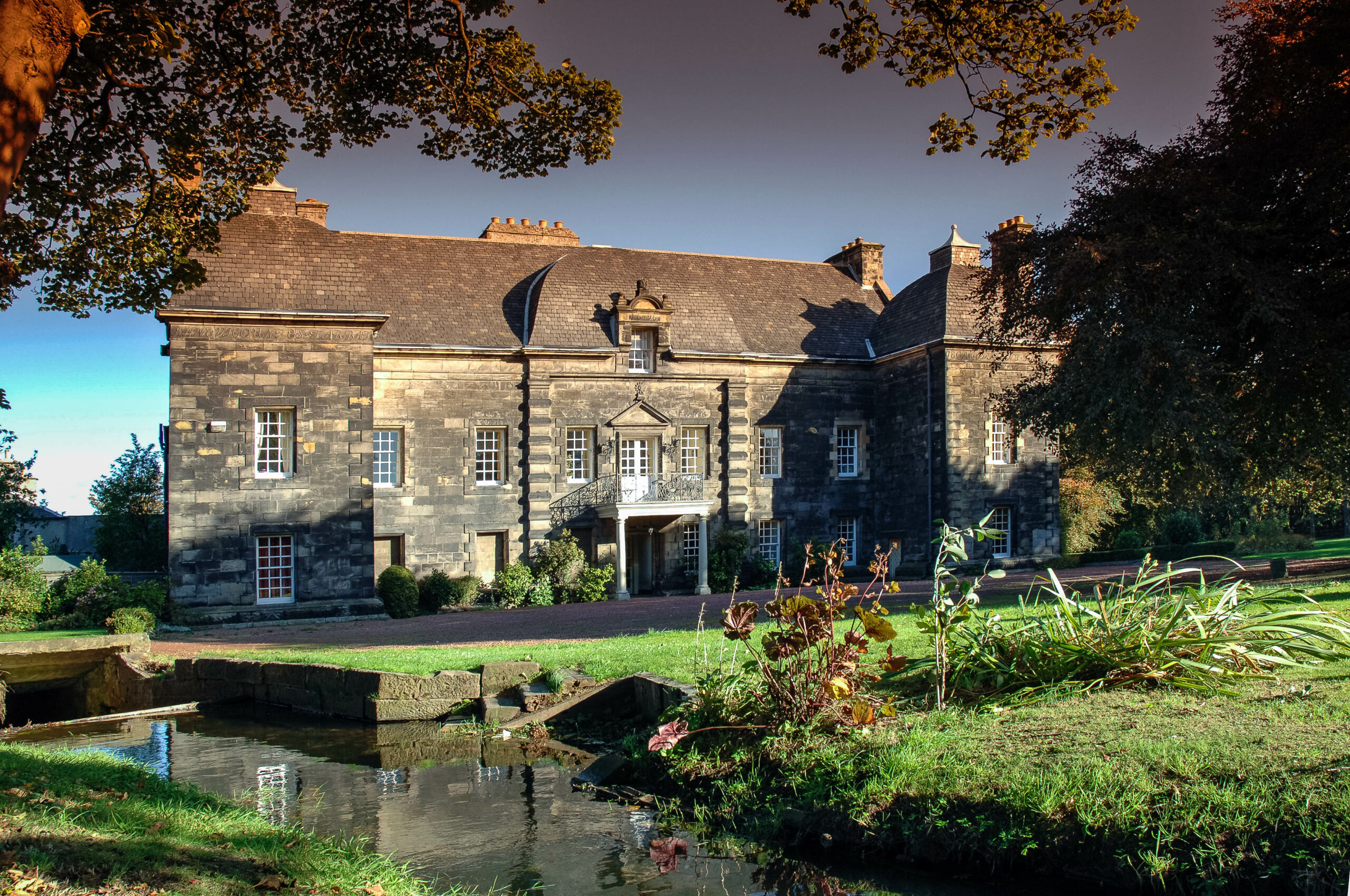
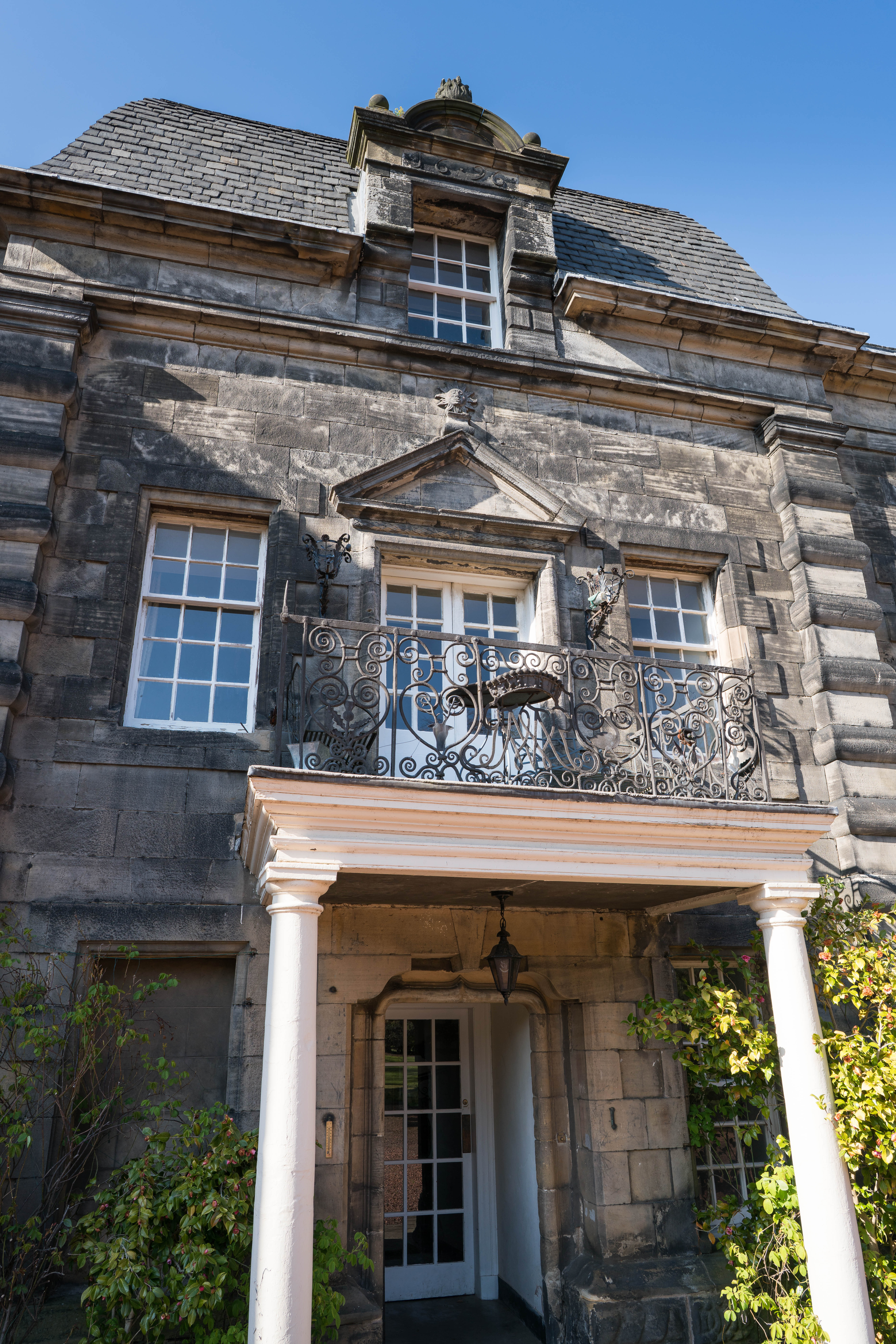
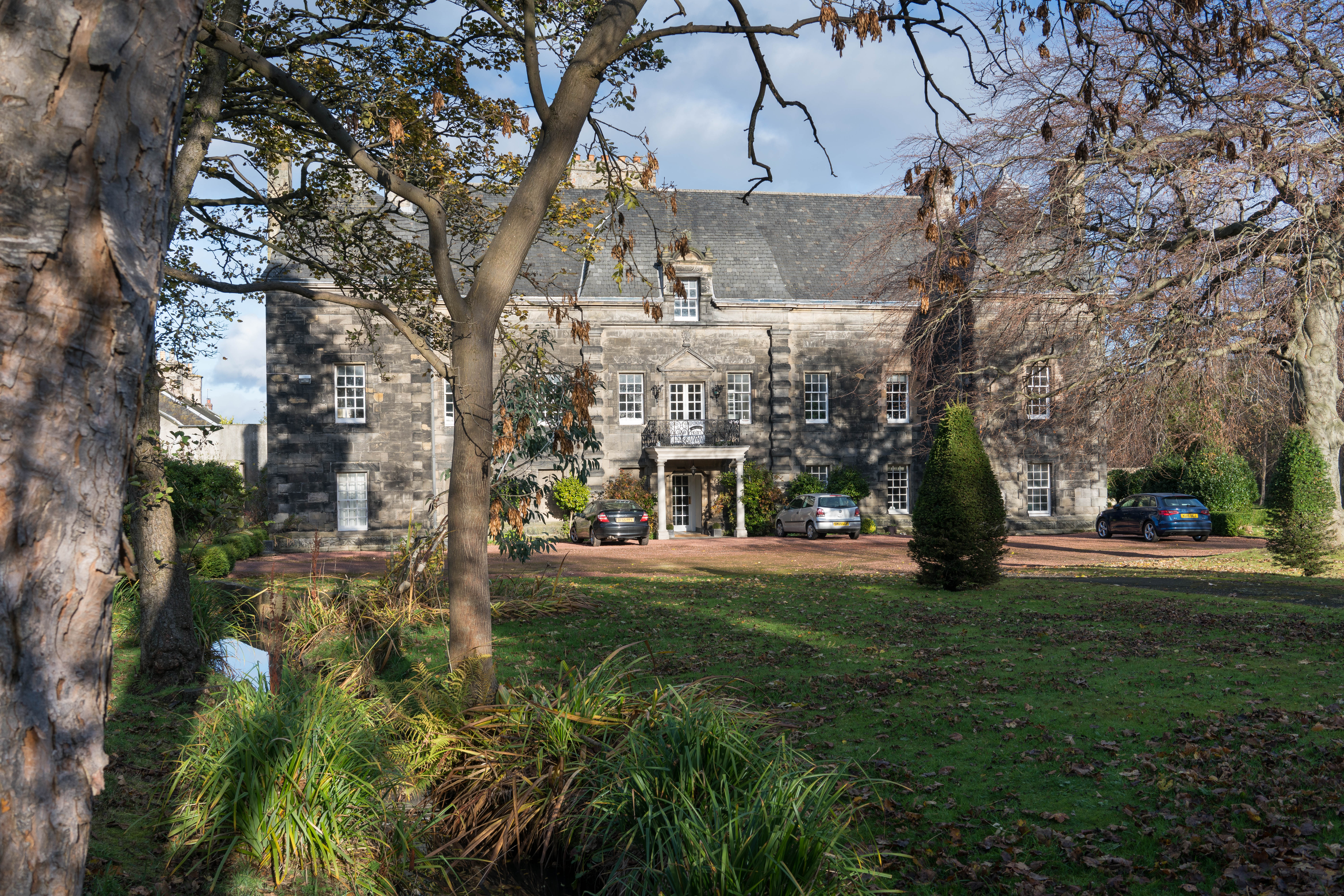
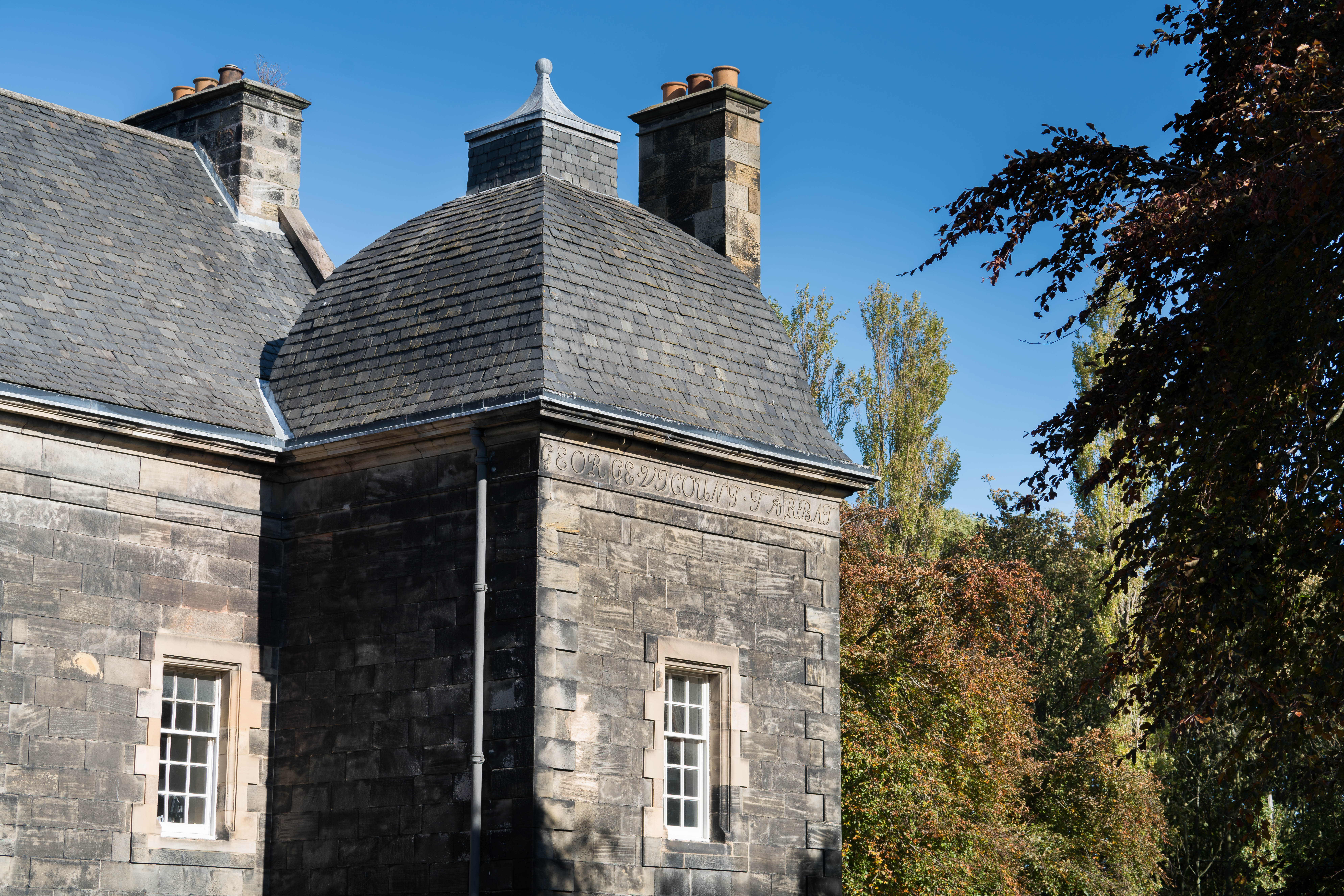
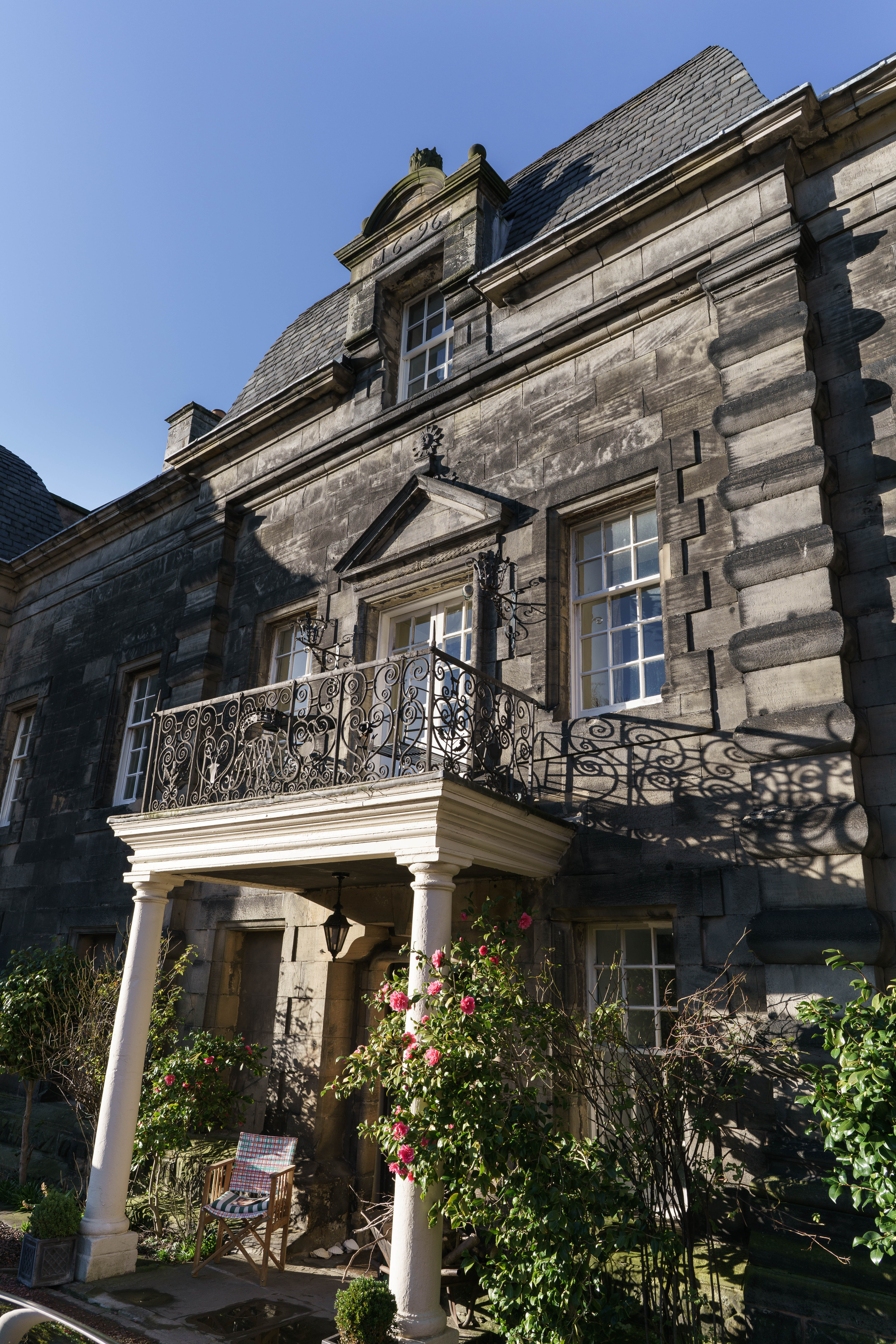
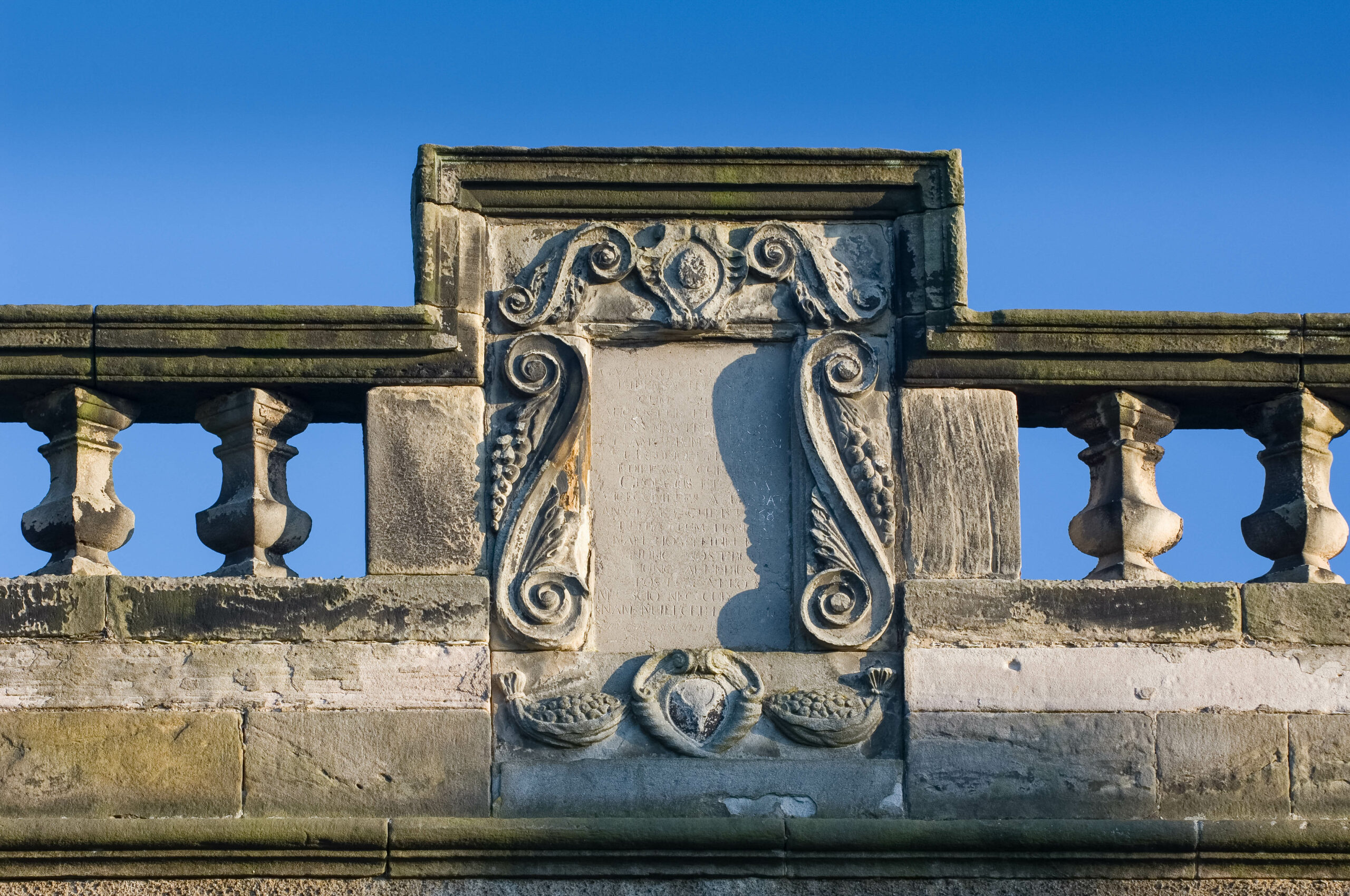
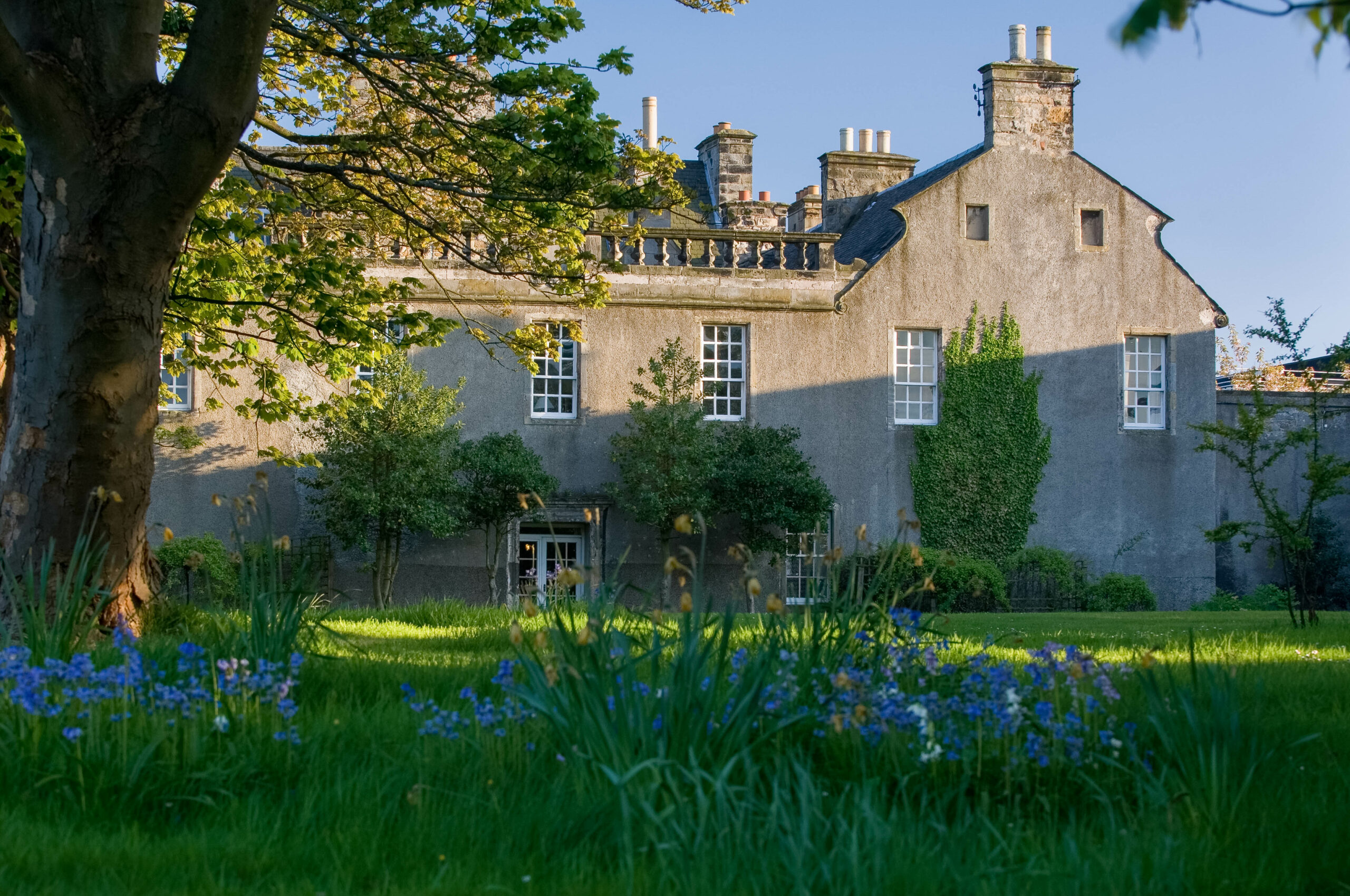
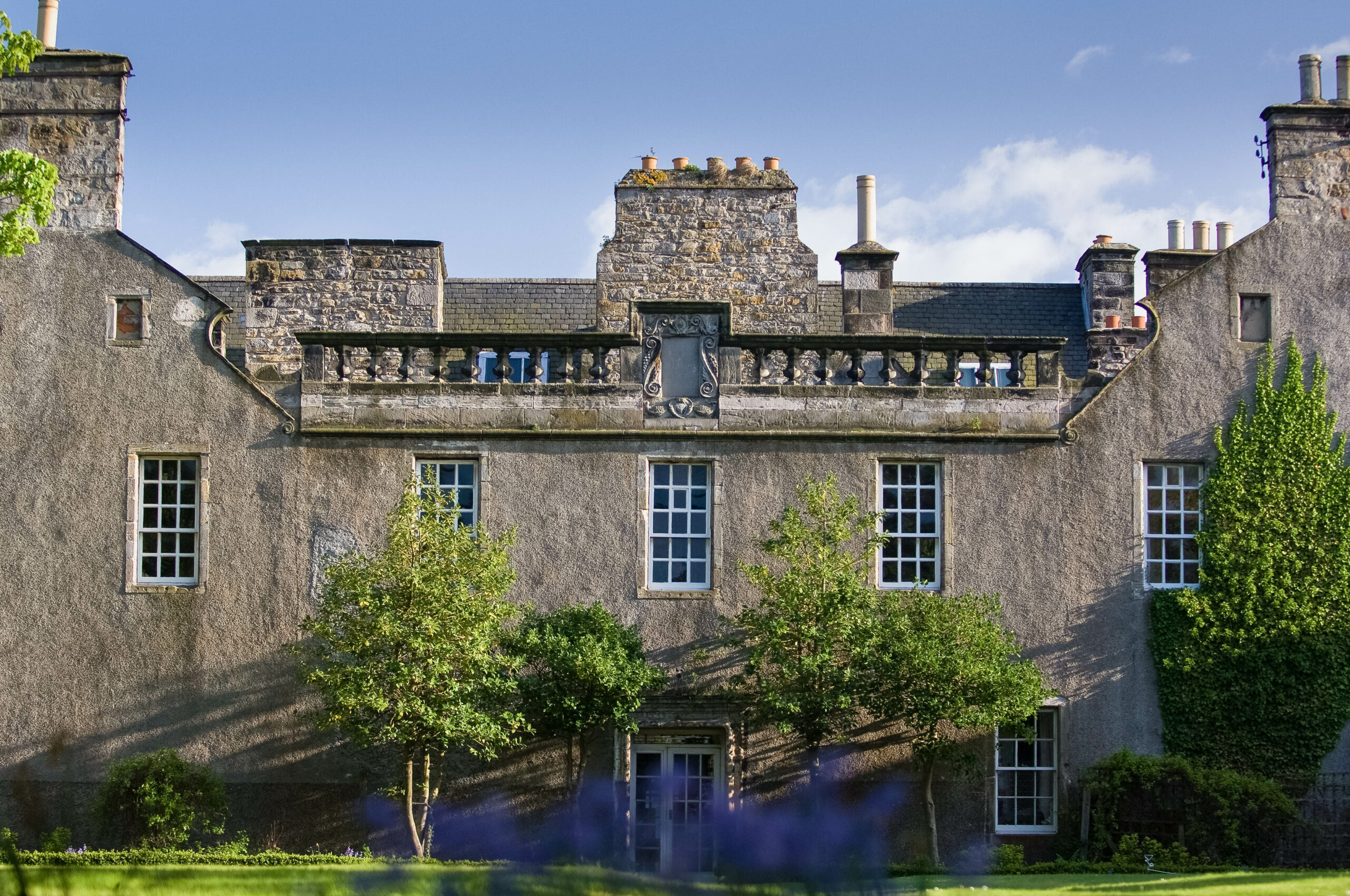
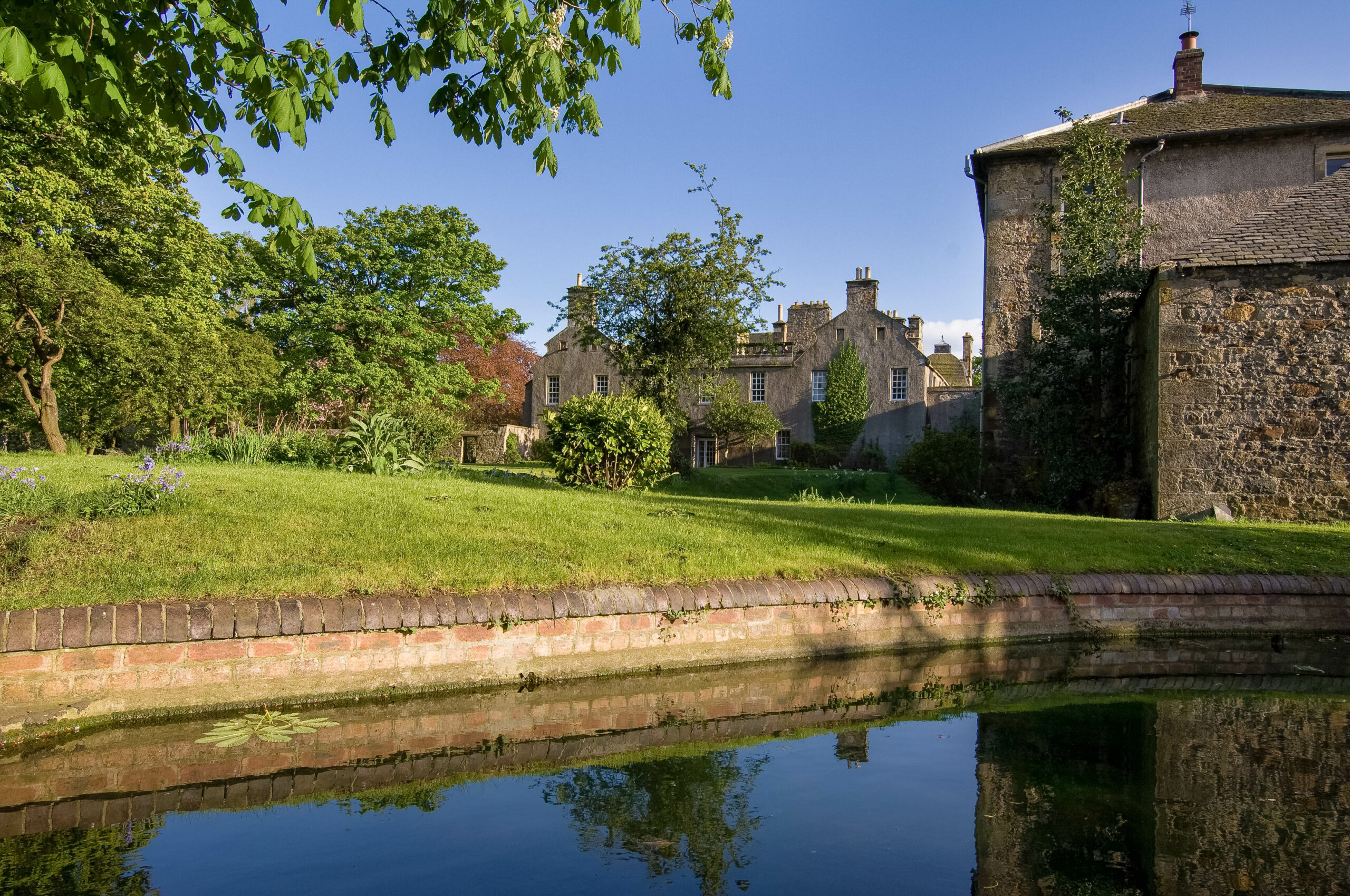
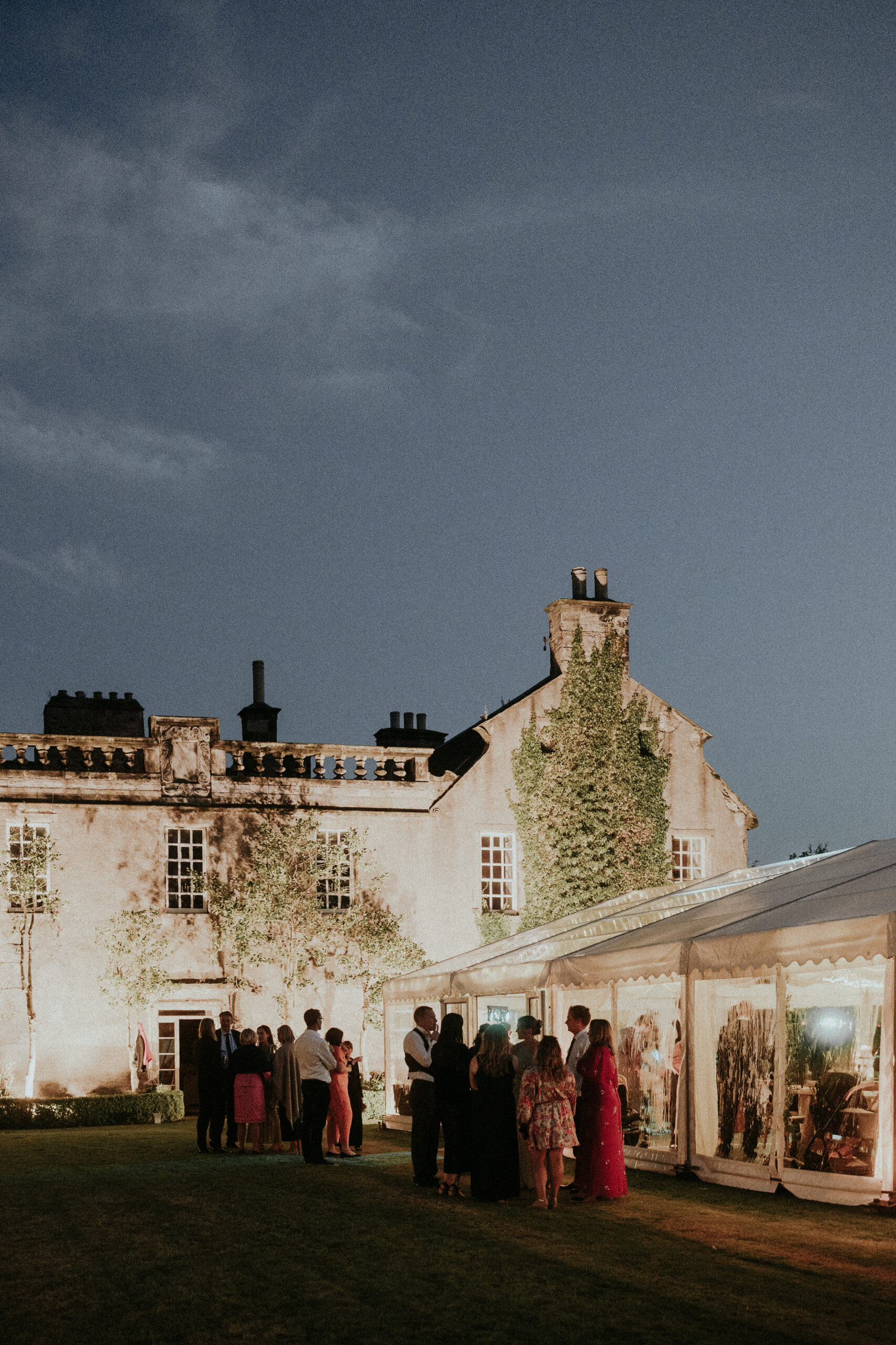
Situated by the sea, with links to Leith and Edinburgh, the freshwater burn of Easter Granton provided an ideal site for a fortified house. The medieval core of this building lies beneath a more elaborate façade later commissioned by Sir George Mackenzie. This grand quadrangular house, then known as Royston, was built by many of the same craftsmen working on the Palace of Holyroodhouse. It became a private retreat for politicians to discuss state affairs, a welcome transition to diplomacy given previous violence witnessed here during the 1544 Rough Wooing English invasion.
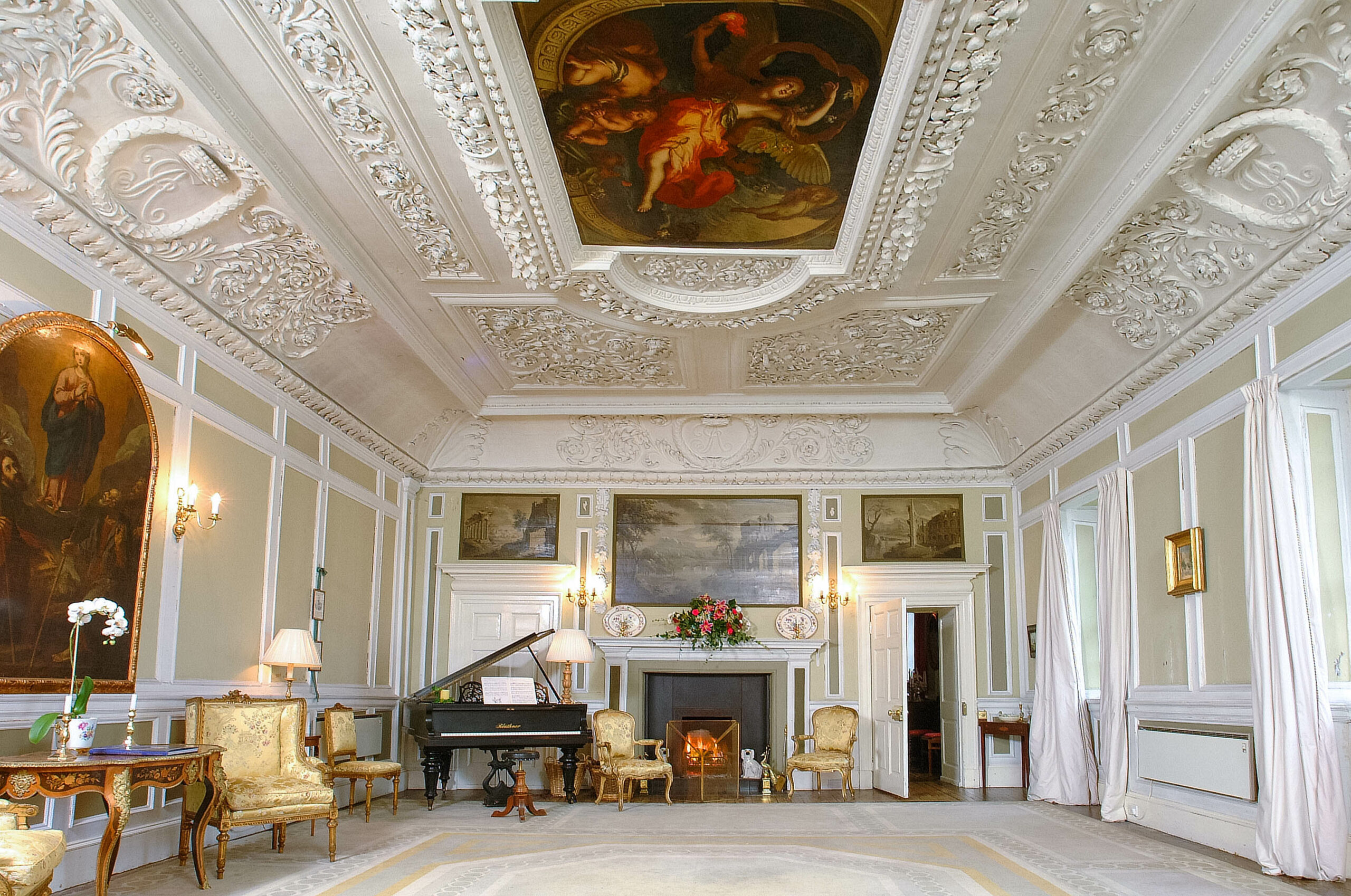
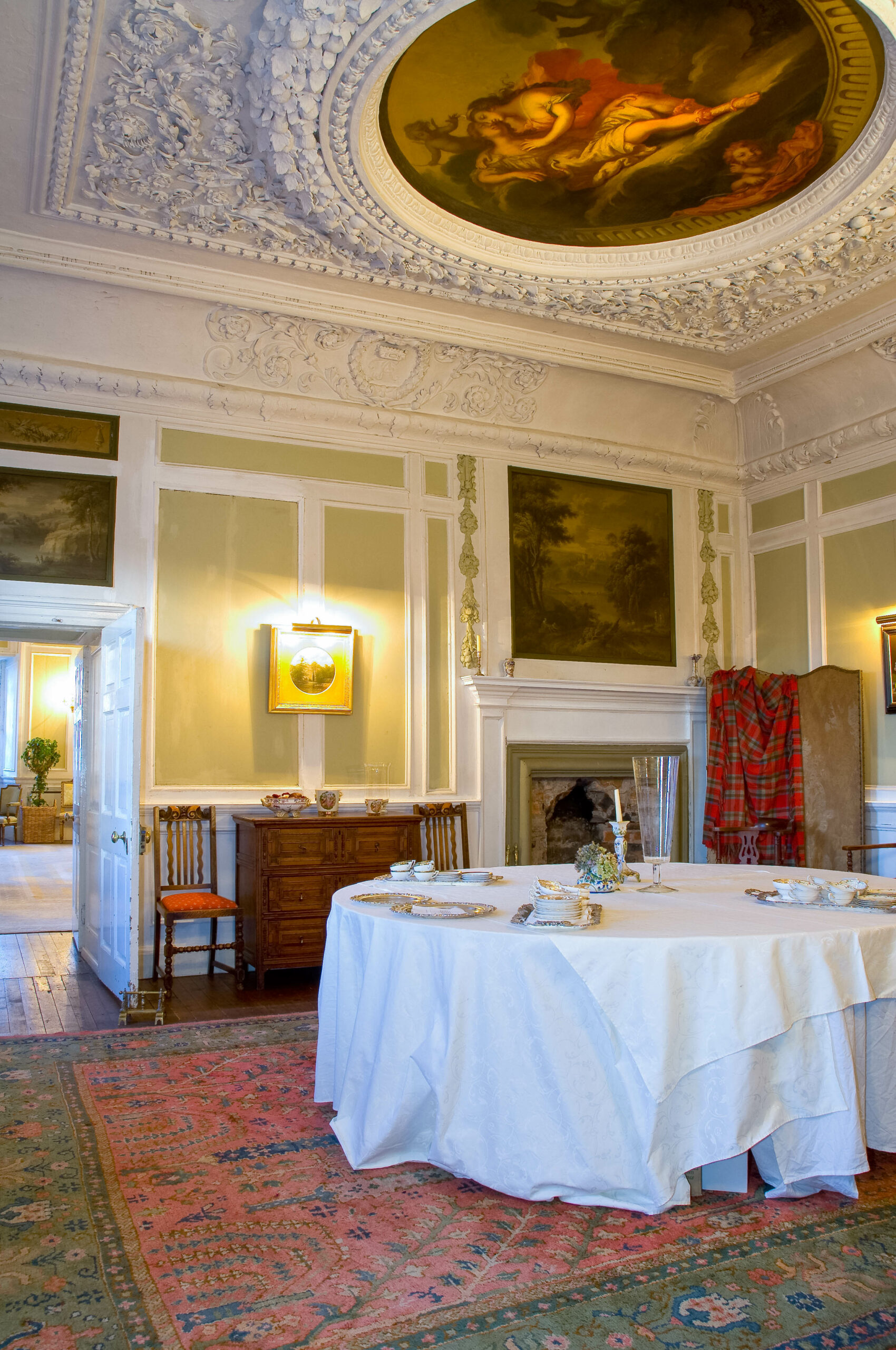
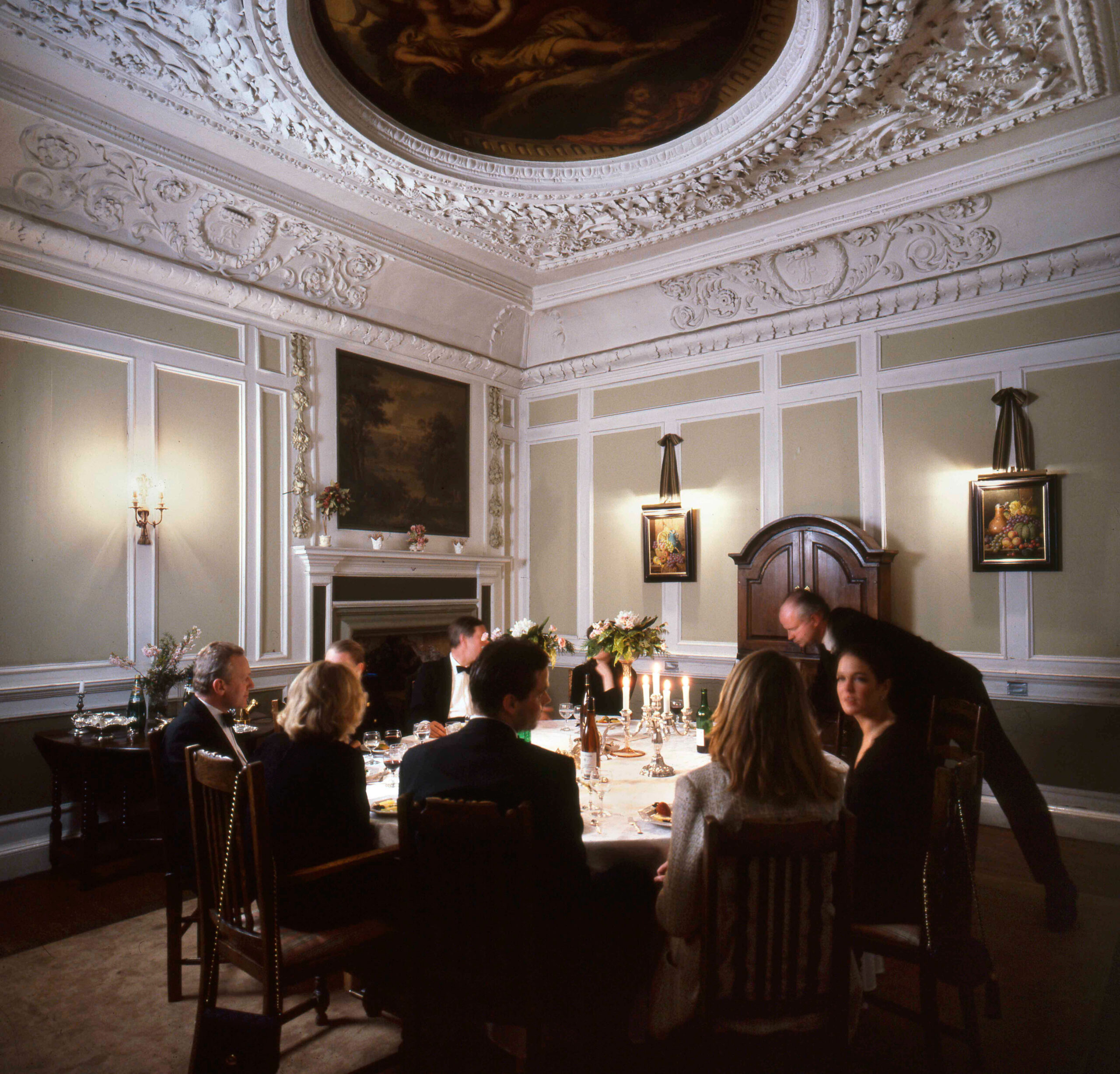
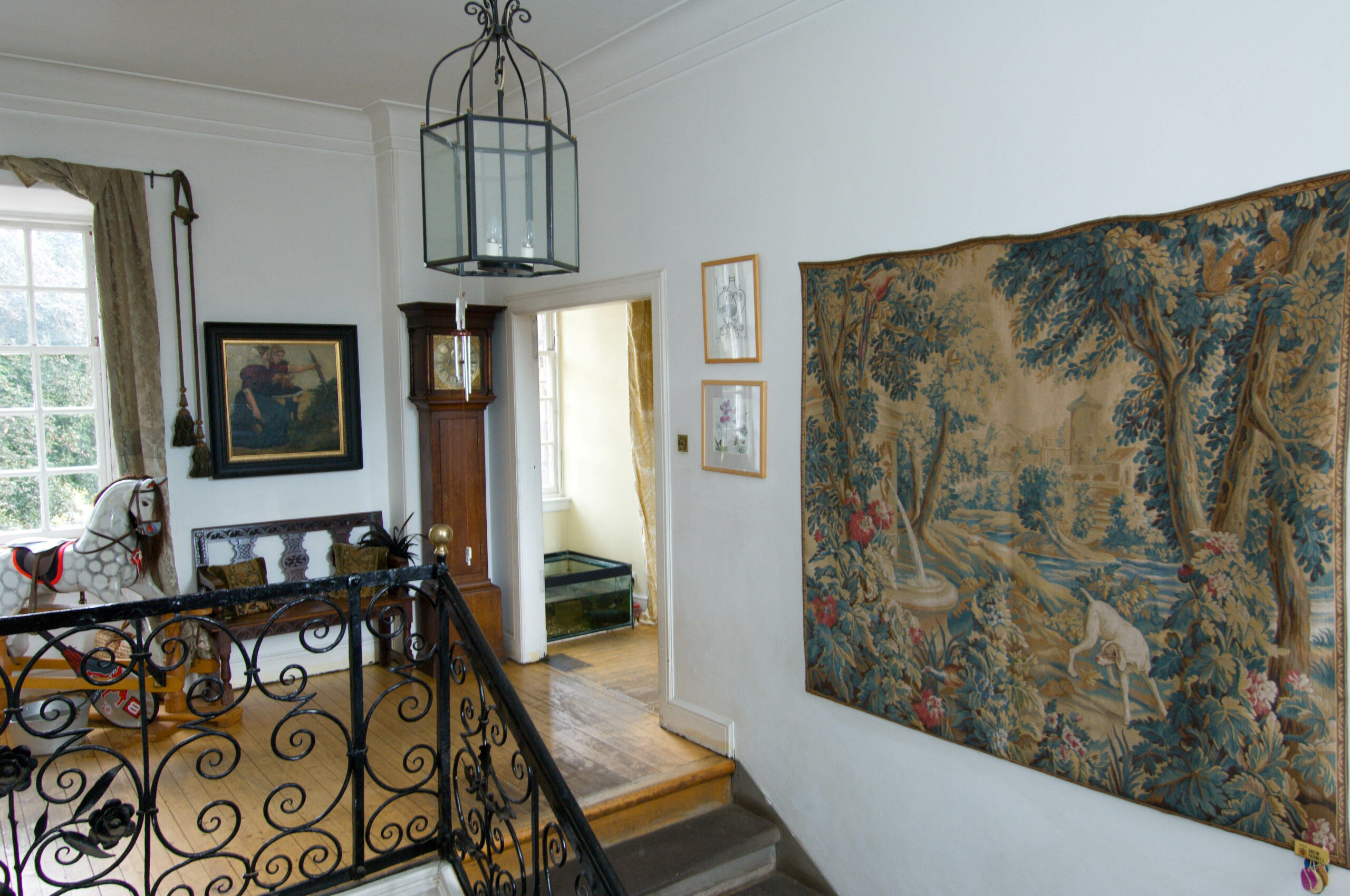
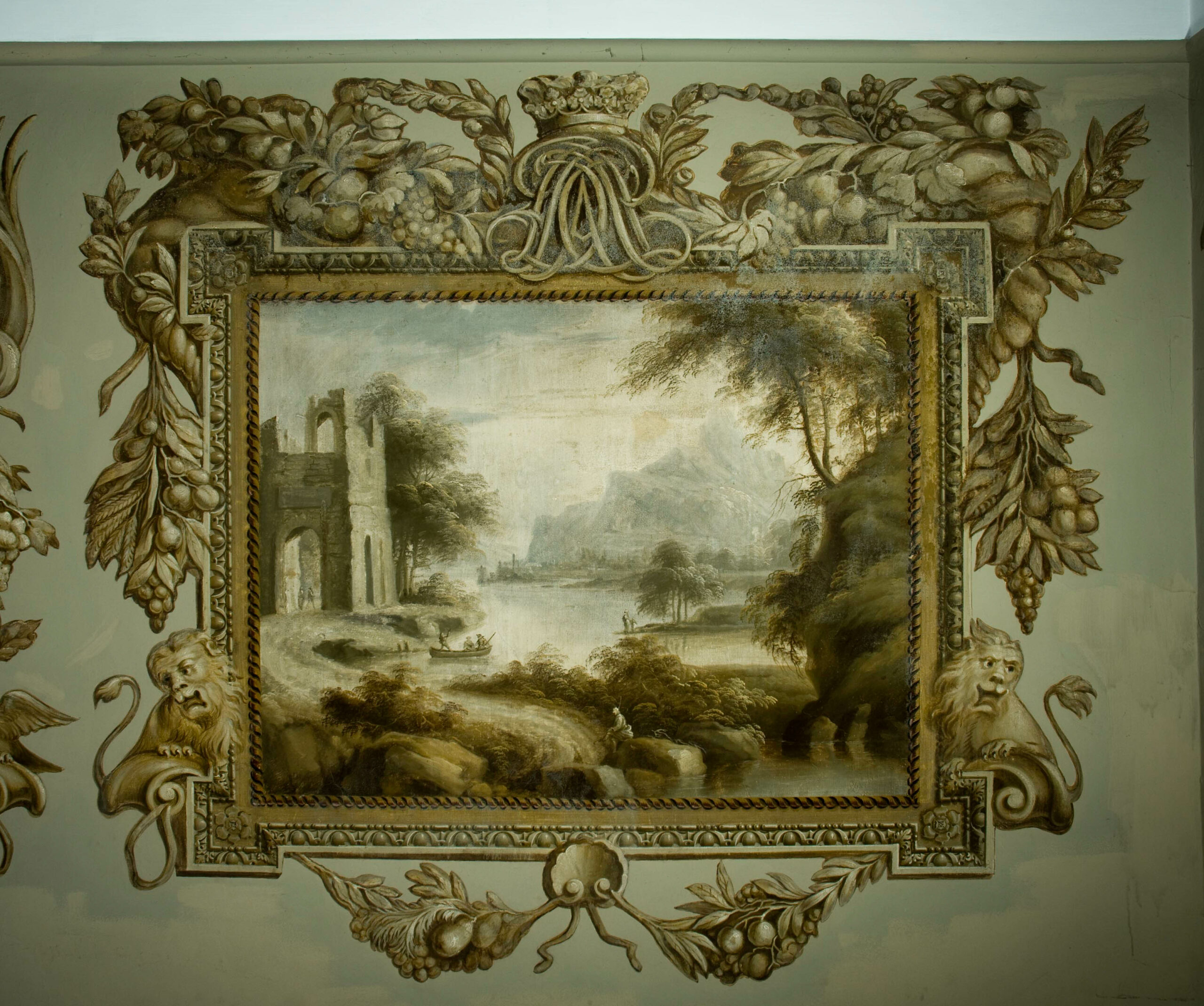
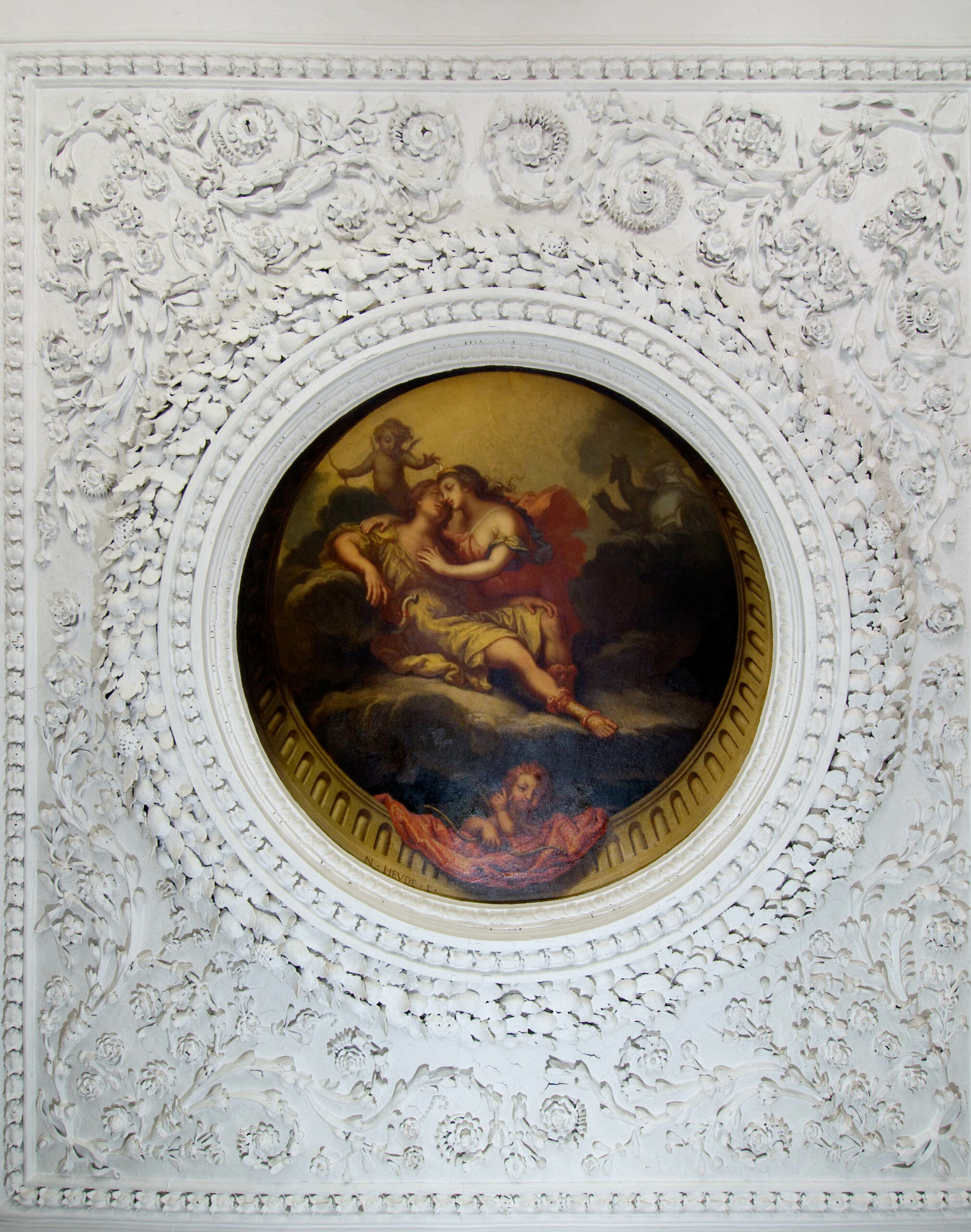
Fine Italian and French aesthetics provide a rare example of Renaissance influence in Scotland during a period of Presbyterian iconoclasm. Surrounded by remarkable plasterwork by Dunsterfield or Baine, are panels painted by Nicolas Heude, a testament to the influence of Huguenot craftsmen who fled to Britain to escape religious persecution. There are also a large collection of classical grisaille landscape panels by Norrie: part of instructions by its subsequent owner, the 2nd Duke of Argyll and Greenwich, to architect William Adam in 1739.
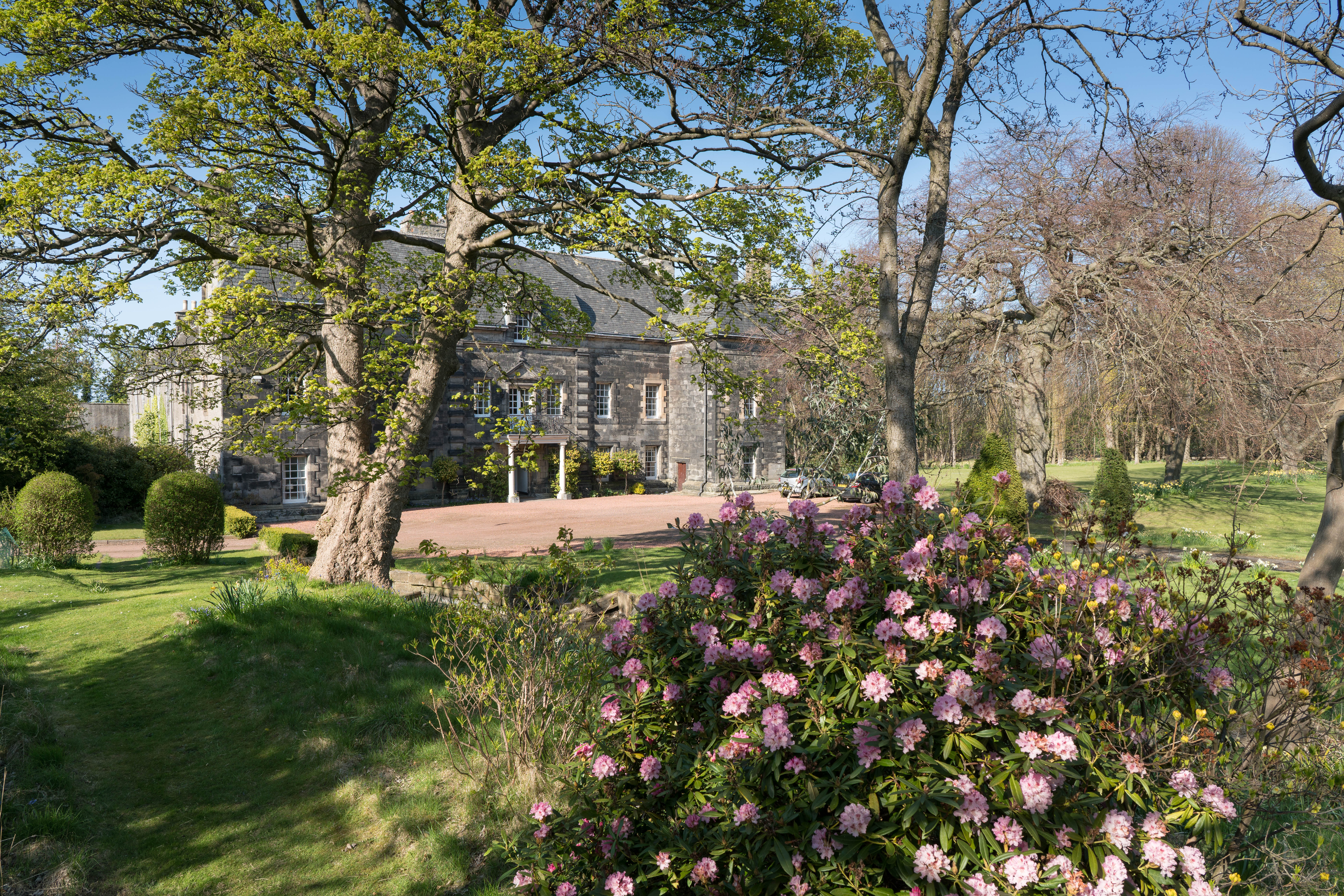
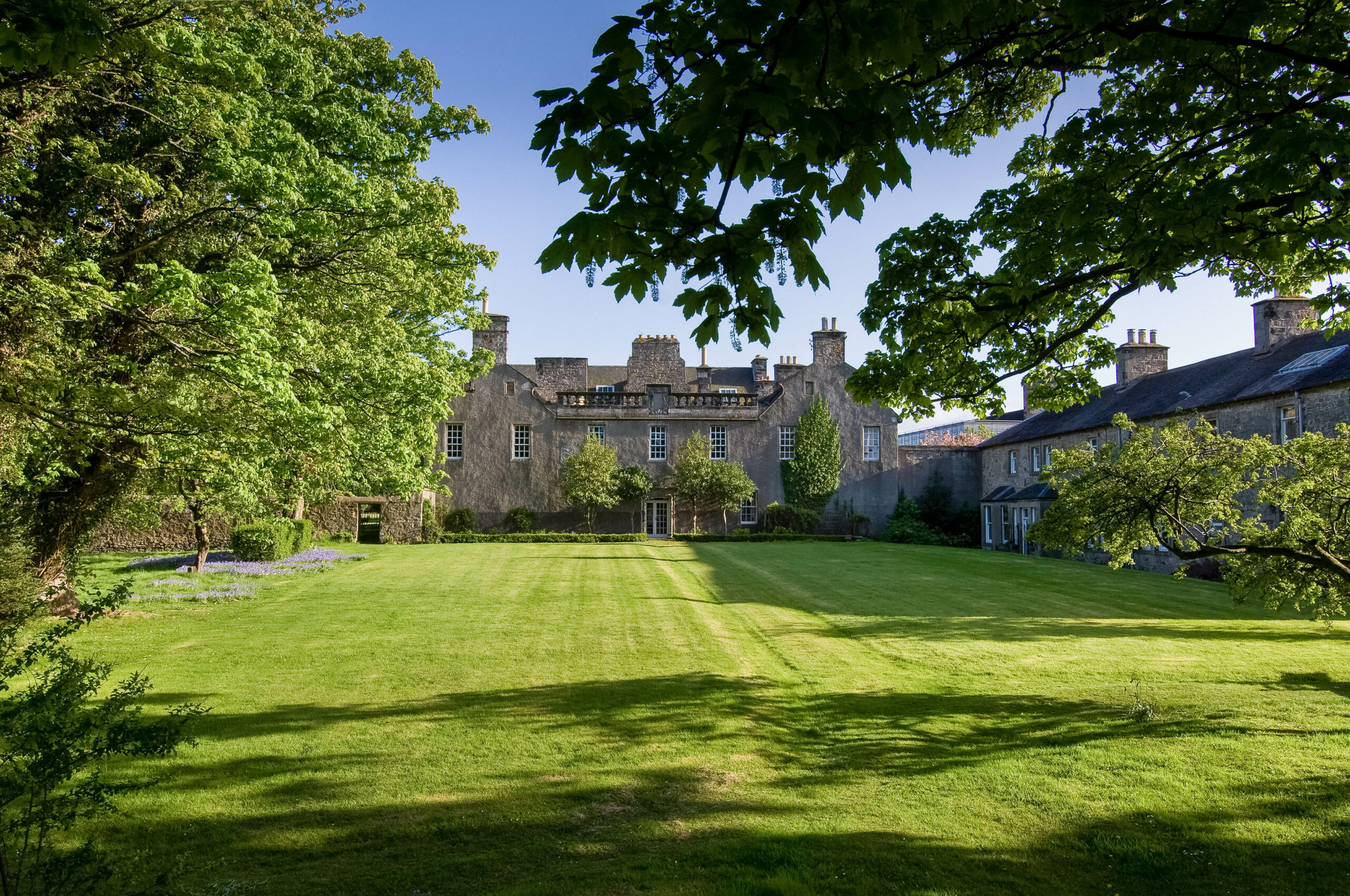
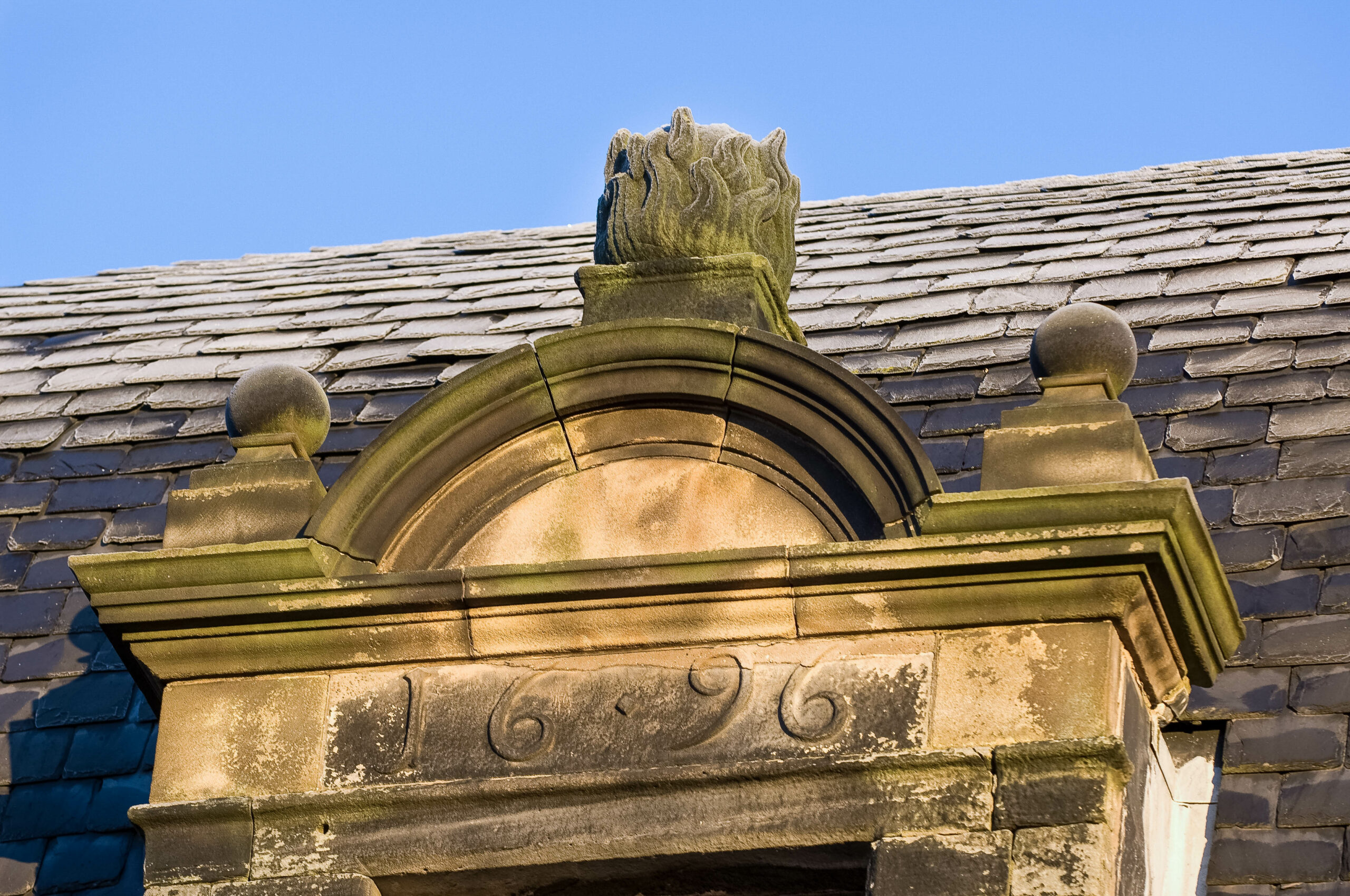
The original estate was later taken over for industrial use, including the Edinburgh and Leith Gas Corporation, the world’s first electric motorcar factory, and Texaco oil depots. Railway lines serving Granton Harbour and the train ferry to Burntisland dissected the parkland. Repurposed as a printing ink factory by AB Fleming, a fire broke out in 1934 which damaged the south range, requiring simple reconstruction. Over the past four decades, the building and its reduced formal garden have been gradually restored by its current owners as authentically and sensitively as possible.
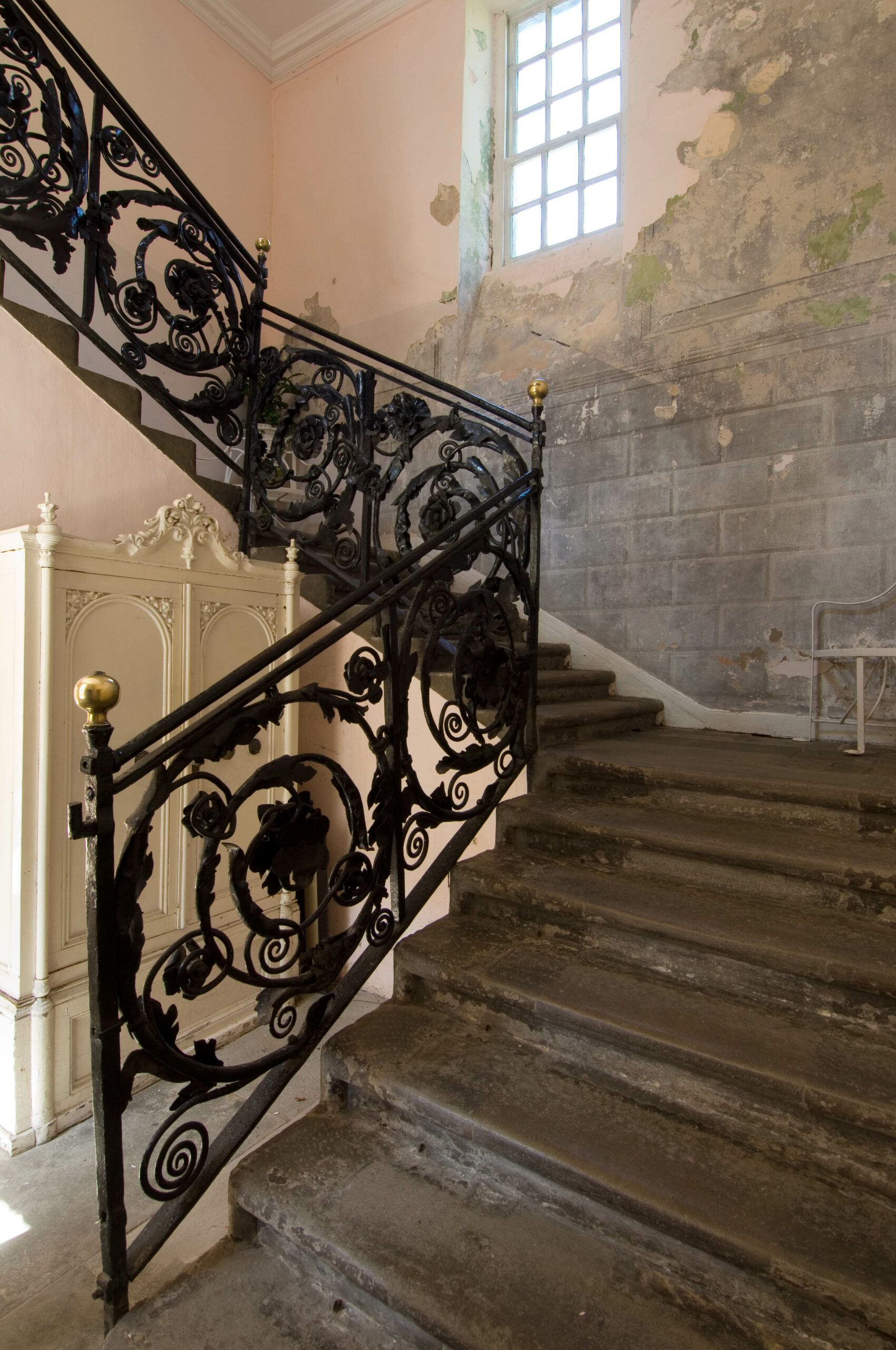
Led by a family member, guests will experience the intact 17th century first floor state apartments, featuring rare Baltic pine panelling, elaborate ceiling plasterwork and panel paintings. The tour concludes with afternoon tea and a chance to explore a small part of the original parterre garden, which included the first bowling green in Scotland, with some rare and native ornamental trees.
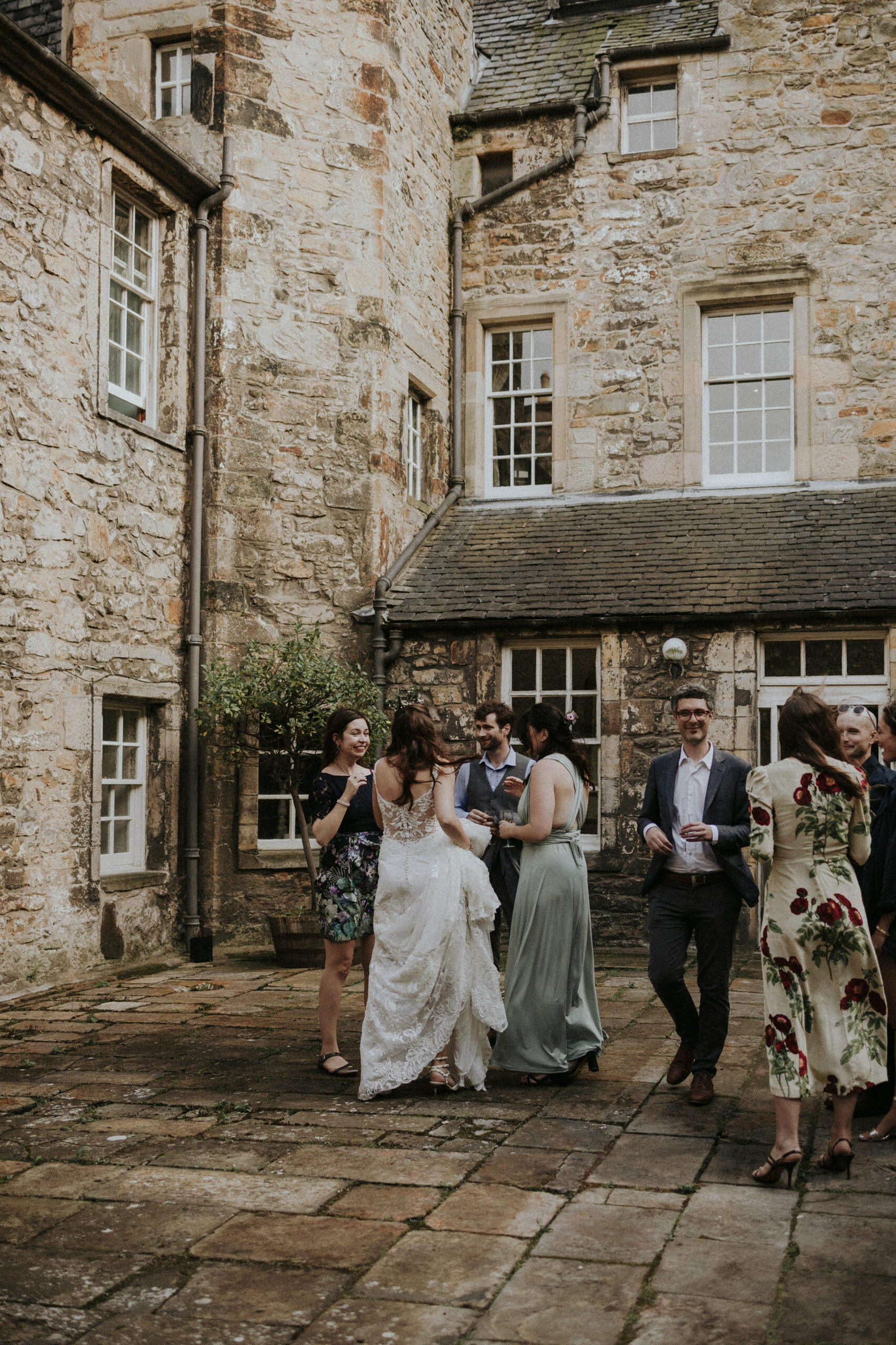

Caroline Park House, Edinburgh
Caroline Park House, Edinburgh
Caroline Park House, Edinburgh
Caroline Park House, Edinburgh